
Ways to Make Your Classroom More Accessible for All Learners
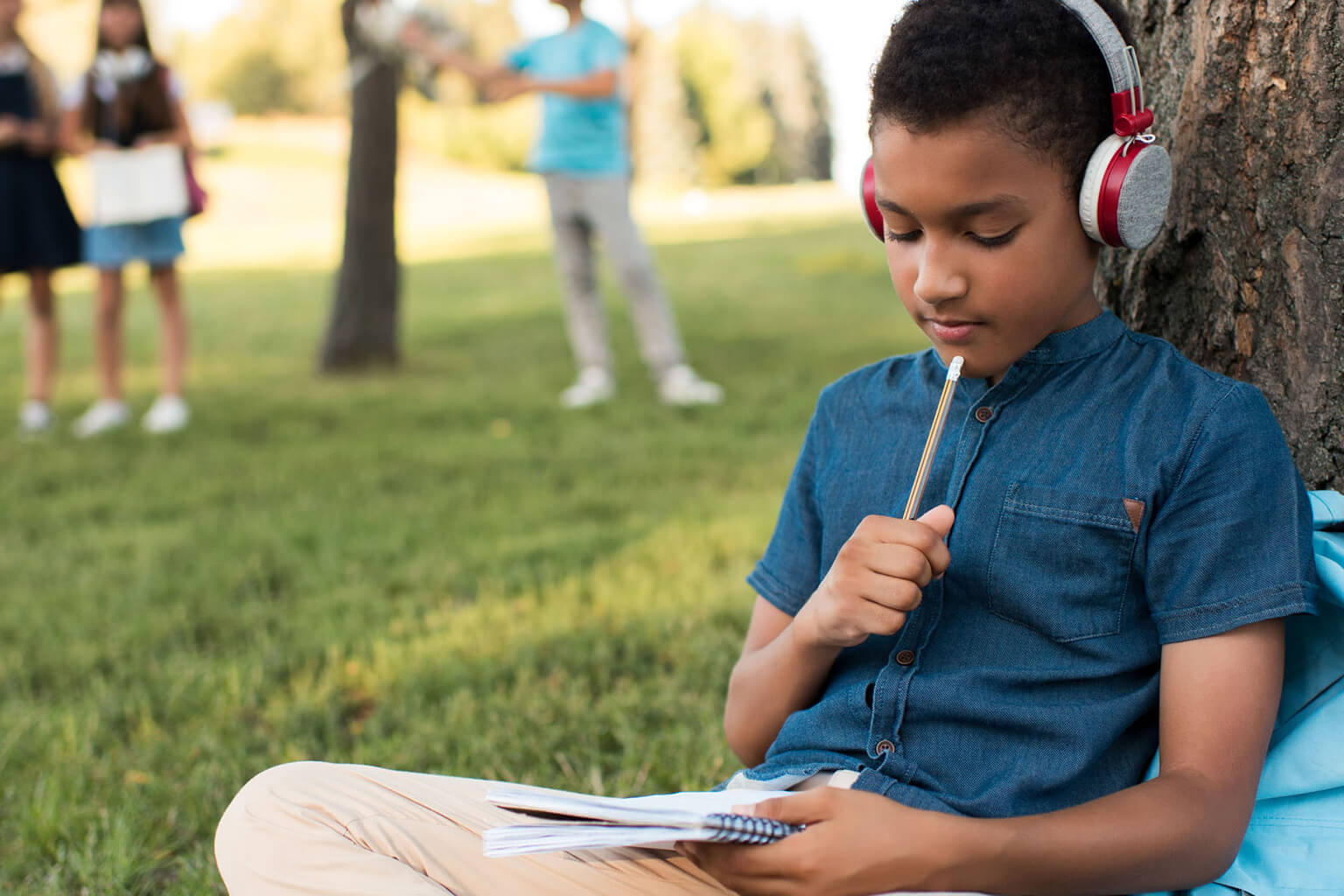
Great learning environments aren’t created by accident; they’re designed by thoughtful educators and school leaders. When educators create supportive classrooms, students feel valued, respected, and a sense of belonging at school.
Fostering supportive and safe classrooms makes learning more accessible to all students. Research shows supportive classrooms promote a positive school climate, boost academic achievement, and increase well-being, along with a host of other positive outcomes. So, how do educators build supportive, accessible classrooms? They start with really getting to know their students, seeing their unique learning strengths and differences, abilities and backgrounds. By understanding and delivering what each child needs, education is accessible to all and every student can thrive.
Whether it's addressing the needs of English language learners or arranging desks so everyone can move around freely, consider these strategies to help make your classroom more accessible.
Establish norms around respect and empathy
Set classroom norms that clearly outline how you expect students to treat each other. Human skills curricula, like our Second Step® family of programs, promote positive classroom behaviors like empathy and perspective-taking while teaching important life skills such as relationship skills, responsible decision-making, and social awareness. Research shows in classrooms where kids have learned and practiced these essential skills, students report fewer conduct problems like bullying and report enhanced connection at school. Human skills instruction is also associated with strong relationships between students and teachers and among peers.
Design accessible physical spaces
Does anyone in your classroom use a wheelchair or crutches or have mobility issues? Seeing the classroom from your students’ perspective will help you spot ways to improve their experience. Make sure your layout allows everyone the freedom to move around the classroom easily. Workstations and group seating should be designed to be easily accessible to everyone. Do your tables move up and down to support different heights? Do you have chairs of different sizes to fit the unique size and shape of your students? Place shared materials within easy grasp of all students.
Provide learning supports
It’s vital that teachers consider all the unique learning needs of their students. Is anyone in your classroom visually or hearing impaired? Do some children have learning disabilities? Consider if the following could help your students:
- Visual aids. It’s possible some students may need glasses, but their families may be unable to provide them. Take notice of who's squinting. Looking at a neighbor’s notes may not be cheating. It could stem from an inability to read the white board. Seat kids with visual needs closer to the front.- Hearing support. Many hearing-impaired students benefit from having their teachers wear a wireless microphone that’s connected to the student’s assisted hearing device. Additionally, it’s important that hearing-impaired students be able to see you clearly when you’re delivering lessons.- Attention and focus tools. Talk to students with focus challenges about what they find helpful or distracting. Interventions such as handheld fidget tools, alternative seating, or moving while learning may be beneficial. Some students (and many adults!) appreciate workspaces with standing desks.- Language learning aids. If you have English language learners in your class, incorporate more visual aids into lesson instructions. (How much do we appreciate the images on the furniture assembly instructions?!) Pay attention to your own speech; slow down and use simple vocabulary. Keep an easily accessible bilingual dictionary in the classroom. Independently discovering new words can be an empowering act of learning. Be sure to provide parent information that is translated into languages spoken at home.- Offer choices to show learning. Different students have different learning and communication styles. Allow them to choose how to showcase what they’ve learned, such as in an essay, slide presentation, or visual arts. Spotlighting their unique talents while fostering their curiosity and love of learning is a win-win.
Learn more about our Second Step® family of programs and the new Second Step® High School.
Get a free, personalized overview of how Second Step programs can be implemented in your district.
Explore the latest research and thought-leader discussions on our Grow Kinder® podcast.
Recent Posts
Powerful Second Step® Program Updates for the 2026–2027 School Year

4 Improvements to Your Second Step® Program Based on Classroom Visits