
Second Step® High School
Program highlights
- Delivers flexible digital lessons for real life
- Develops key human skills teens need
- Applies real-world scenarios to enhance learning
- Strengthens confidence and connection
- Addresses challenges unique to adolescence
Create a climate where students feel connected and ready to learn
Students thrive when they feel seen, supported, and part of a community. Second Step® High School helps build that climate—strengthening belonging, connection, confidence, and resilience so every student is more likely to succeed.
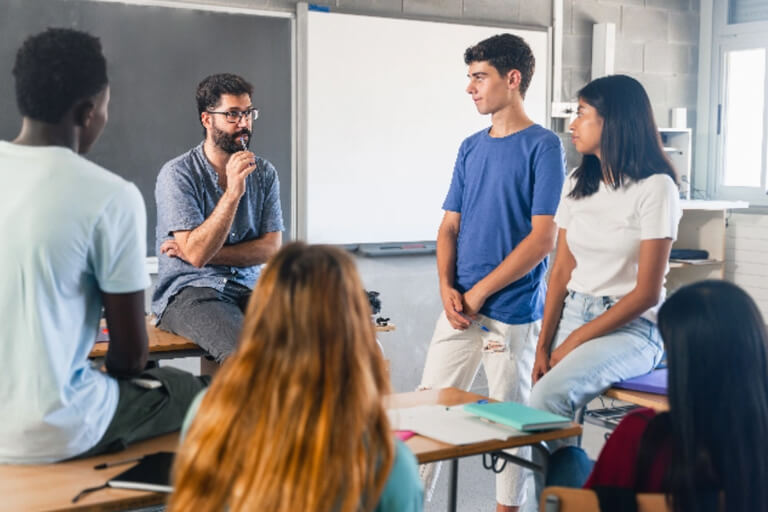
Flexible
It flexes to fit busy high schools. The program integrates with your existing schedule, offering ways to adapt the learning and providing a choice of implementation options.
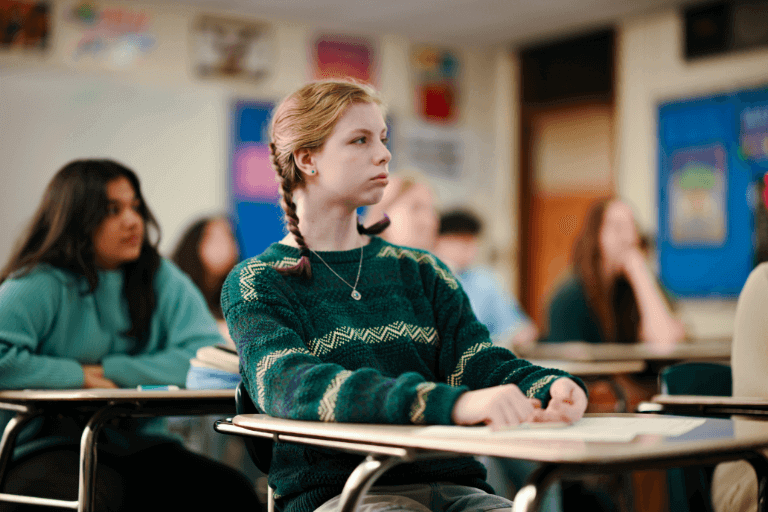
Relevant
It helps students face challenges and opportunities unique to their age. The learning is based on up-to-date research and student feedback.
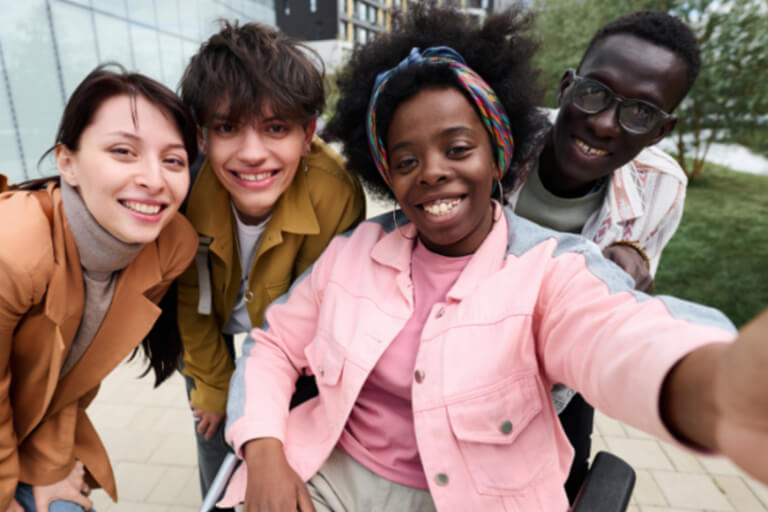
Engaging
It’s easy for adolescents to embrace. It integrates into school settings with elements of voice and choice, so it can be authentically contextualized to each student’s perspectives.
Four powerful, research-backed program pathways
Pathway 1: Belonging & Connection
.svg)
- Cultivates a strong sense of social and school belonging so students feel accepted, respected, and known
- Strengthens positive peer interactions, communication skills, and relationship-building across the school
- Builds trust and psychological safety, essential for academic engagement and well-being
- Integrates key psychological concepts that help students understand what shapes belonging
- Supports leaders and educators in creating a community where every student feels connected and valued
Pathway 2: Confidence & Capability
- Creates learning conditions that build students’ belief in their ability to succeed, even in the face of challenges
- Strengthens resilience, perseverance, and adaptive coping strategies aligned with current learning science
- Reinforces growth mindset and mastery-goal orientations to deepen engagement and sustained effort
- Helps students develop and pursue meaningful personal and academic goals
- Supports a school culture where challenges are viewed as a pathway to growth, not a barrier
Pathway 3: Agency & Opportunity
- Provides opportunities for students to explore and apply their strengths, talents, and interests
- Encourages autonomy and ownership, empowering students to participate actively in their learning
- Promotes student-centered environments that emphasize choice, voice, and meaningful decision-making
- Helps leaders and educators design experiences that celebrate diverse strengths and foster intrinsic motivation
- Builds a community that values individual contributions and personalized learning pathways
Pathway 4: Well-Being & Community
- Develops key psychosocial skills that support student well-being and positive community dynamics
- Focuses on routines that build gratitude, recognition, and positive emotion in the classroom
- Strengthens student capacity for stress management, emotional support, and healthy coping
- Enhances social connectedness through practices that encourage empathy and collective care
- Builds school environments where individual well-being contributes to a stronger, more supportive community
Sample an activity
Optional activities that deepen student learning
Student extension activities are optional, flexible experiences that extend core Second Step High School learning by inviting students to explore and apply human skills through timely topics, such as leadership and future readiness or digital and media literacy.
Designed to be student-centered and quick to use, educators can select ready-to-use activities with prompts or add their own to tailor the experience. With minimal preparation, these optional activities help students meaningfully transfer skills beyond the core activities.
Professional development that improves student support
Training that helps educators strengthen student collaboration and create positive, supportive environments where high schoolers feel connected and ready to learn
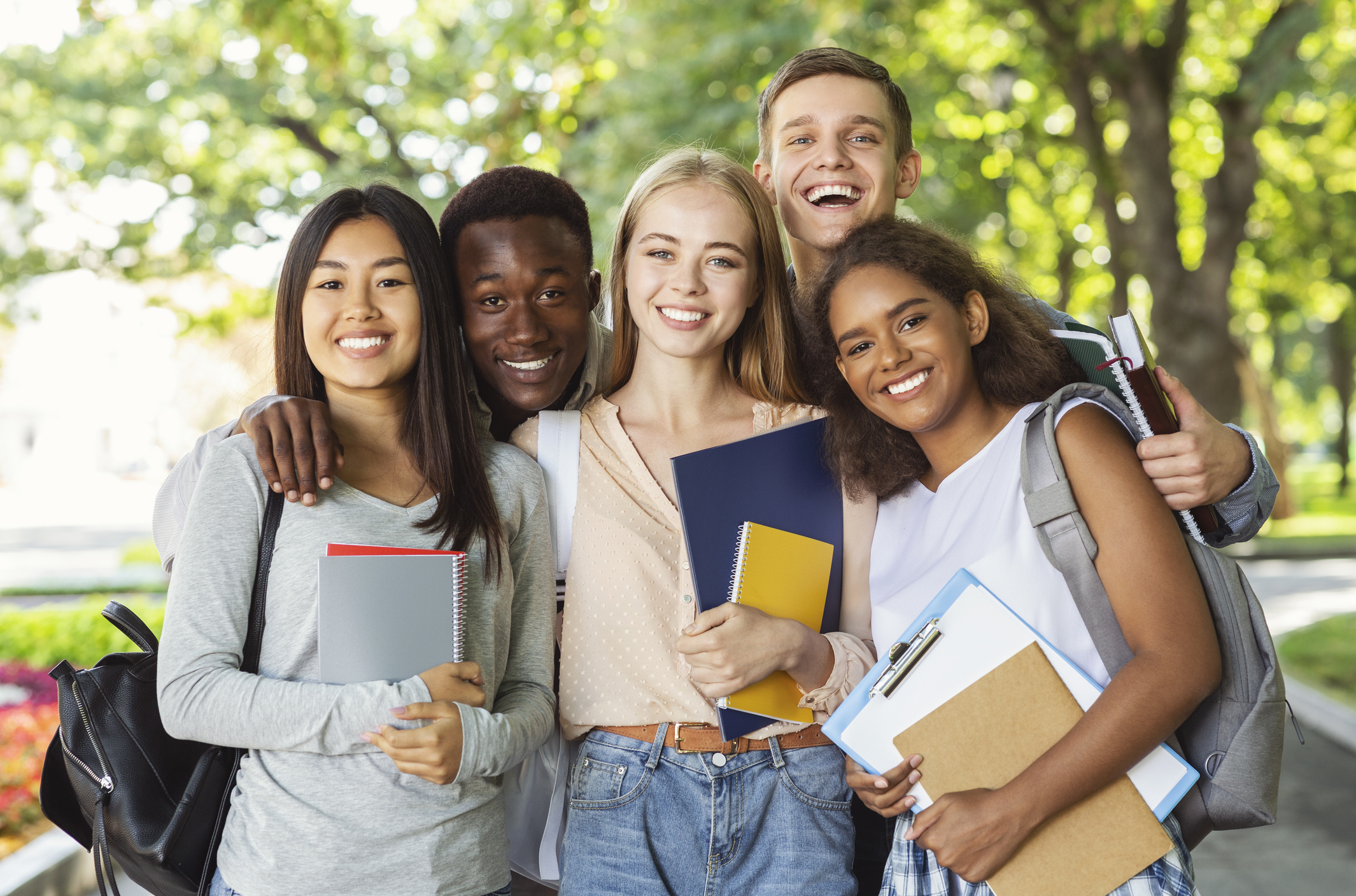
Students built stronger relationships thanks to Second Step® programs
Kent Laboratory Academy strengthened its school community by implementing Second Step programs across Grades 3–12, giving students a shared language for human skills and helping them build stronger relationships and a deeper sense of belonging. As students applied these skills consistently across grade levels, the school saw improved behavior, more effective conflict resolution, and increased academic motivation. Educators credit the cohesion around human skills instruction with creating a more supportive, connected climate where students feel known, included, and ready to learn.
Resources
Scope and sequence
Ready to learn more?
Sample an activity
Guess Who?
Pathway 3: Agency & Opportunity
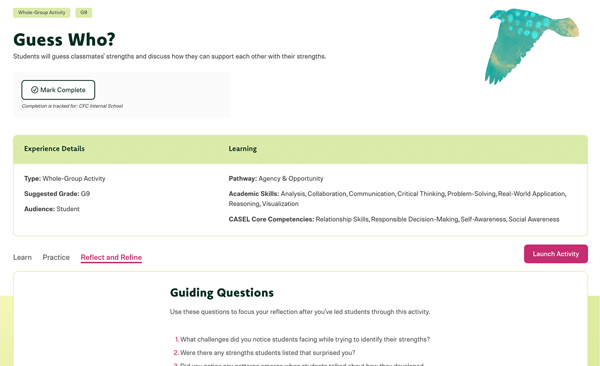
In this activity, students guess each other’s strengths and then discuss and reflect on their own positive qualities.