
Navigating a Government Shutdown: How to Hold Steady with K–12 Human Skills™ Instruction
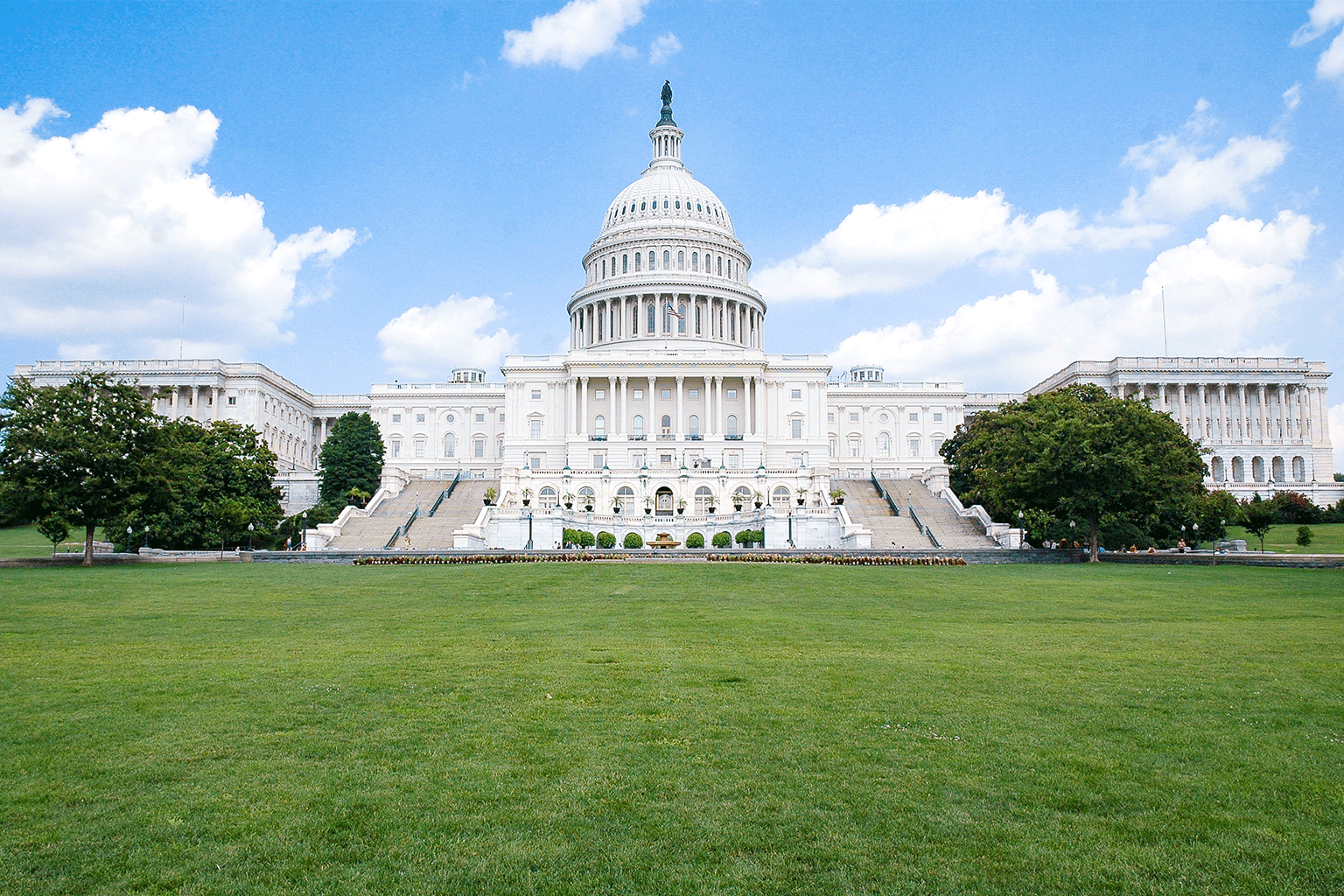
Disruptions in education are the new normal
From pandemics and teacher shortages to political polarization and the rise of AI, education is shifting faster than most systems can adapt. Schools now operate in a near-constant state of change. Yet amid that instability, one truth remains: strengthening human skills is the foundation that keeps learning moving forward.
When federal funding halts, the ripple effects in education are less about the dollars themselves and more about the erosion of systems and relationships. Even a brief shutdown can trigger hiring freezes, paused purchases, and delayed initiatives as schools wait for clarity. Above all, uncertainty becomes the most immediate disruptor.
K–12 impacts: The ripple effects of instability
Most federal K–12 programs are shielded by forward funding, so already-allocated money continues to flow. But compliance support, oversight, and new grant approvals often stall. Only a small fraction of US Department of Education staff—as few as 5%—may remain active during a shutdown, making it harder for districts to access guidance or assistance.
Early childhood programs such as Head Start are especially vulnerable. In a previous shutdown, programs with October grant renewal dates closed their doors within weeks, affecting thousands of working families.
Districts that rely heavily on Impact Aid, which lacks forward-funding protection, could face immediate financial strain since those funds often cover essential operations like teacher salaries and utilities.
Why human skills programs must be anchors, not extras
In moments like these, the systems that hold schools together are tested. And that’s where human skills programs make the difference.
These skill-building programs also bring measurable benefits, such as improved attendance, stronger school climate, and greater engagement. When external systems pause—grant windows close, oversight offices furlough, compliance deadlines shift—what holds a school community steady is its people’s ability to lead with adaptability and trust.
Leaders, educators, and students who can flex, problem-solve, and maintain trust are less vulnerable to bureaucratic disruptions. Initiatives like evidence-based Second Step® programs that intentionally build these competencies provide the structured support needed to strengthen connection and stability when funding falters.
In uncertain times, when districts may delay new programs or professional development, investing in human skills instruction is a strategic hedge. A leader who communicates transparently, a teacher who practices empathy, a student who self-regulates under stress—each strengthens a school’s ability to stay grounded amid instability.
The Second Step curriculum for PreK–12 students is designed to make that process practical and scalable, helping districts align with MTSS frameworks, meet compliance standards, and promote whole-community well-being. These evidence-based, research-backed, award-winning programs provide students with tools to strengthen emotion regulation, empathy, and collaboration—skills that serve as a primary prevention against absenteeism and costly behavioral challenges.
How to prioritize strengthening human skills even when resources are tight
- Integrate, don’t isolate: Weave human skills instruction into existing routines—such as advisory periods, classroom norms, team meetings, or professional learning communities—rather than treating them as standalone initiatives or “extras.”
- Use low-cost, high-impact practices: Reflection prompts, peer coaching, collaborative problem-solving, journaling, and brief “check-ins” can reinforce these skills without new funding—and they can be easily supported through Second Step programs that scale with district needs.
- Protect connection points: If budgets tighten, safeguard the moments that strengthen relationships, such as mentorships, staff huddles, and classroom check-ins. They’re the scaffolding you’ll lean on in a crisis.
- Model transparency and agency: Leaders who communicate openly—about what’s known, what’s not known, and how the school will adapt—instill confidence and reduce anxiety.
- Distribute leadership: When centralized operations slow, empower teachers, department heads, and student leaders to help sustain culture and continuity.
- Monitor and adjust: Track engagement, attendance, and well-being. Seeing small indicators of stress or fatigue can help you respond early and keep morale intact.
Looking ahead: The resilience dividend
A shutdown underscores how fragile many supports are. But it also reminds us about what can’t be furloughed: the human skills that sustain connection, culture, and purpose.
The Second Step curriculum is designed for exactly these instances. It’s more than a program; it’s a catalyst. It equips leaders, educators, and students with the essential tools they need to make a difference in the classroom today, in the workforce tomorrow, and in whatever situations arise along the way.
When crises hit—whether fiscal, natural, or systemic—schools that invest in human skills instruction are better equipped to sustain their mission, protect morale, and keep classrooms connected.
Want to strengthen human skills across your district?
Request a free consultation with our Education Partnerships Team to explore tailored Second Step implementation that boosts staff morale, student engagement, and long-term resilience.
Recent Posts
Powerful Second Step® Program Updates for the 2026–2027 School Year

4 Improvements to Your Second Step® Program Based on Classroom Visits