
Fostering Parent-Teacher Collaboration: A Conversation with Helen Westmoreland
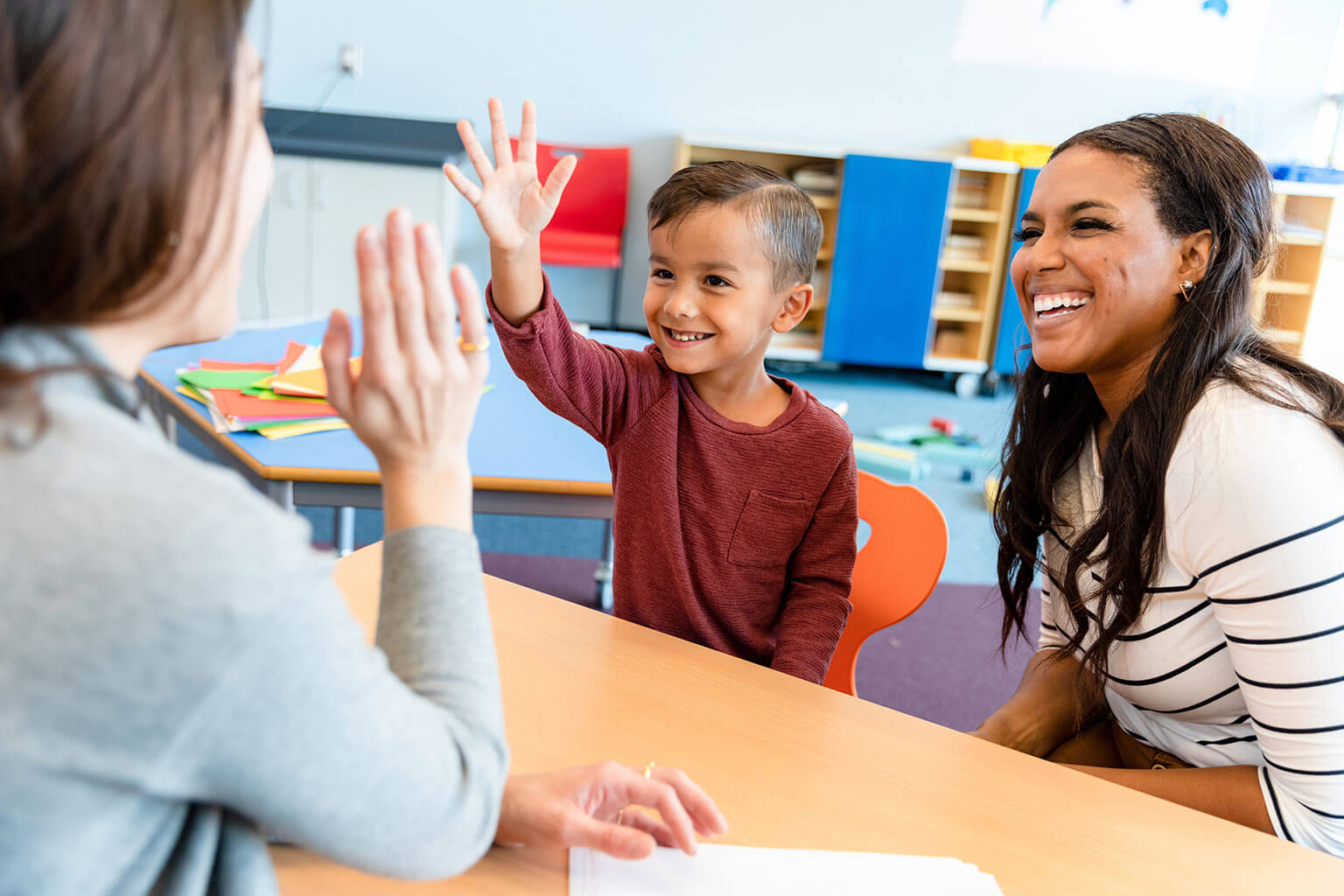
This article is a recap of an interview with Helen Westmoreland, the director of family engagement at the National Parent Teacher Association, on our Grow Kinder® podcast.
Strengthening human skills is often more successful when there’s a bridge between parents and teachers in fostering social skills and emotional skills both at home and in the classroom. Andrea Lovanhill, chief executive officer of Committee for Children, sat down with Helen Westmoreland, the director of family engagement at the National Parent Teacher Association (PTA), to discuss why it’s beneficial for parents to not only embrace human skills instruction but also champion it.
It’s not just about parents attending school events. Parents can actively participate in their child’s learning journey by nurturing emotional intelligence, empathy, and interpersonal skills. When parents champion the development of human skills, it can positively affect their child’s overall well-being and academic success by giving them a solid foundation that extends to their schoolwork. So, it’s advantageous for parents and teachers to work together to create a supportive ecosystem for students that makes them feel validated and included.
Helen offered several strategies for how parents and caregivers can consistently integrate human skill-building practices into daily life, emphasizing that it’s an ongoing commitment, not a one-time effort:
- Have open communication: It’s beneficial for parents to regularly communicate with teachers. This includes attending parent-teacher conferences and discussing your child’s progress, challenges, and strengths. Sharing insights about your child’s personality, interests, and emotional needs can also help teachers tailor their approach accordingly.
- Model positive behaviors: Kids learn by observing. You can be a positive role model for human skills by demonstrating empathy, active listening, and conflict resolution at home. It can also help to discuss emotions openly and encourage your child to express feelings constructively.
- Maintain home-school connection: You can stay informed about classroom activities and assignments by asking your child about their day and discussing what they’re learning. You can also reinforce these concepts at home, such as practicing mindfulness exercises, role-play, or deep breathing techniques together.
- Promote emotional regulation: You can teach your child strategies for managing emotions and help them recognize when they feel overwhelmed or anxious. For example, you could encourage self-calming techniques like counting to ten, taking deep breaths, or using positive affirmations.
- Collaborate on behavior plans: If your child faces behavioral challenges, you can work with teachers to create consistent behavior plans that can reinforce positive behavior and address any issues.
- Support social skills development: Arranging playdates or group activities allows your child to practice social skills. You could encourage sharing, taking turns, and active listening. You can also discuss empathy and kindness, emphasizing the importance of treating others well.
- Attend human skills-focused workshops and events: You can participate in workshops or seminars focused on human skills instruction. It’s helpful to learn about effective strategies and stay updated on research and best practices. You can even engage with other parents and educators to exchange ideas.
- Advocate for human skills integration: You can advocate for the inclusion of human skills development in school policies and practices, encourage schools to prioritize emotional well-being alongside academics, and support initiatives that promote a positive school climate.
- Celebrate growth: It’s helpful to acknowledge and affirm your child’s progress, such as celebrating small victories and validating their efforts. Some parents might even collaborate with teachers to recognize human skills-related achievements within the classroom.
Consistent efforts by families and educators create a stable foundation for children’s social and emotional growth. Whether it’s practicing mindfulness daily, reinforcing empathy in everyday interactions, or maintaining open communication, small, repeated actions can lead to meaningful impact.
Children need human skills to thrive not only in school but in life. These skills can help them manage their emotions, build healthy relationships, and feel valued in both home and classroom environments. By helping them develop these skills, you can also help create a kinder, more compassionate world.
Recent Posts
Powerful Second Step® Program Updates for the 2026–2027 School Year
4 Improvements to Your Second Step® Program Based on Classroom Visits