
Fostering Connection: How Human Skill-Building Impacts Teacher-Student Relationships
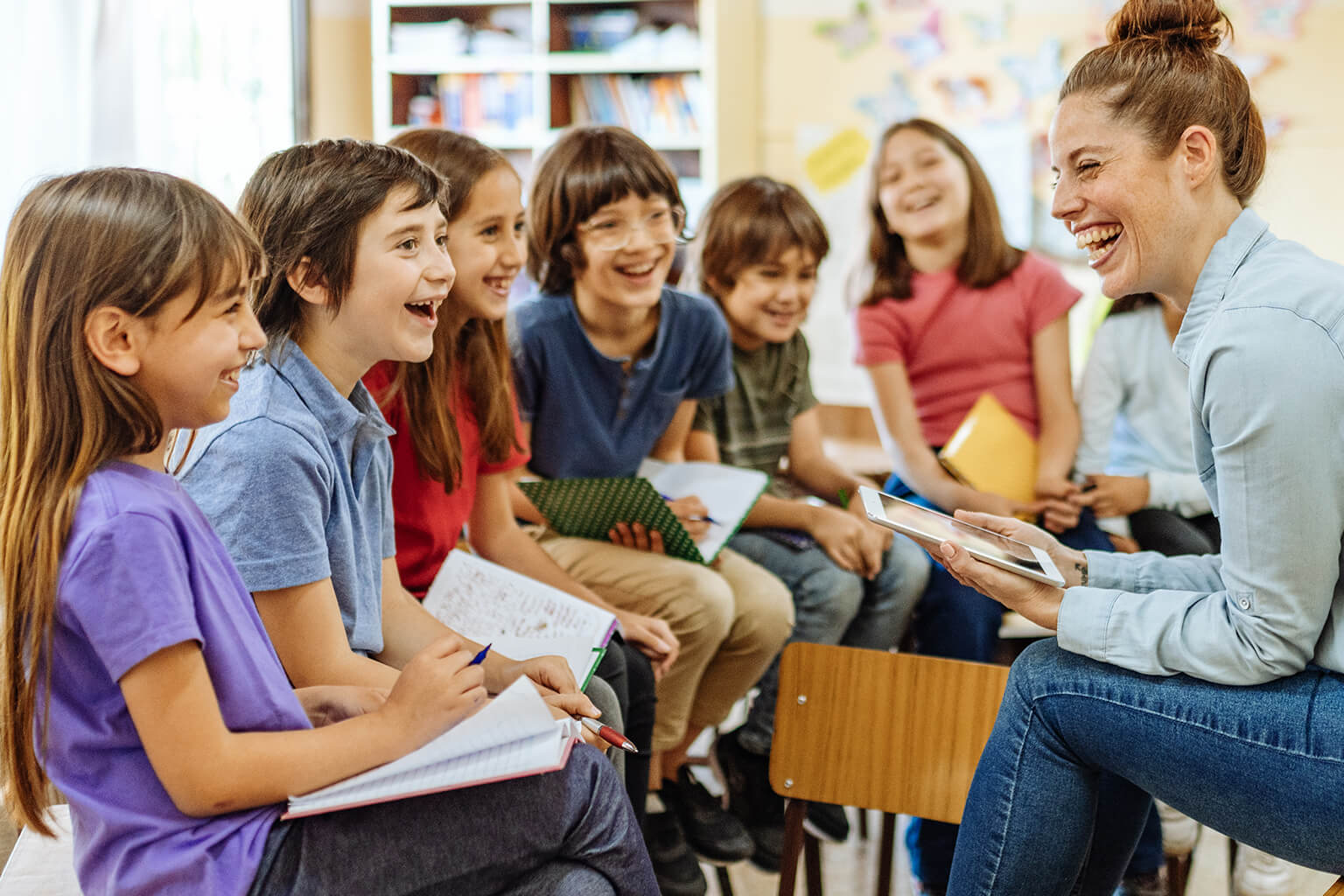
When it comes to education, fostering meaningful connections between teachers and students is not just about imparting knowledge—it’s about creating a supportive environment where both academic and emotional growth can flourish. Human skills development is a pivotal tool in achieving this balance by providing a framework to enrich classroom dynamics.
Understanding the impact of human skills development on teacher-student relationships
CASEL outlines five core competencies—self-awareness, self-management, social awareness, relationship skills, and responsible decision-making—all of which are crucial components for effective teaching and mentoring. Research shows that a teacher’s own social and emotional competence directly influences the quality of teacher-student relationships.
CASEL highlights that when teachers form positive connections with their students, it creates a supportive environment conducive to learning and emotional growth. These relationships also help contribute to a more positive school climate, where mutual respect and trust between teachers and students lay the groundwork for effective classroom management and academic engagement.
CASEL further underscores the significance of strong teacher-student relationships, asserting that they are essential not only for students’ academic success but also for teachers’ professional fulfillment and overall well-being.
Real-world examples of success
There are numerous instances where human skills instruction has been found to enhance teacher-student interactions.
For example, one study that explored a human skill-building approach found that it led to teachers providing greater emotional support, improved classroom management, and more effective instructional support.
A separate randomized controlled trial demonstrated the tangible benefits of a skill-building program in kindergarten classrooms. Their findings revealed an increase in teacher-student closeness and a decrease in conflicts. This study shows the practical impact of structured human skills interventions in nurturing positive teacher-student relationships and fostering a supportive classroom environment.
Strategies for deeper student-teacher connections
To foster deeper connections between teachers and students, we encourage educators to incorporate skill-building strategies into their teaching practices. Recommendations include:
- Greeting students at the door
- Remembering students’ names and backgrounds
- Modeling emotional intelligence
- Interacting with students in ways that communicate that they’re seen and valued
- Discovering shared interests and experiences with students
- Giving authentic feedback while praising process and effort over outcome
Comprehensive interventions like Second Step® programs emphasize proactive skill-building through structured activities that promote empathy, communication, and emotional regulation.
The impact on classroom climate
Educators widely regard human skills development as vital in enhancing classroom climate by promoting empathy, mutual respect, and emotional safety. Many schools that promote these skills and a sense of belonging among students also prioritize robust teacher-student relationships.
Teachers play a critical role in fostering these relationships by demonstrating care, providing academic support, and encouraging students to persist through challenges. When students feel emotionally secure and valued by their teachers, they are more likely to actively participate in learning activities and demonstrate improved academic outcomes.
Research supports that warm and supportive teacher-student relationships are associated with positive outcomes, such as enhanced effort, academic self-reliance, and improved academic achievement. These strengthened relationships also contribute to a significant reduction in disruptive behaviors and an increase in engaged educational focus.
Quantifying the benefits of human skills development
Quantitative data supports the multifaceted benefits of human skills development on teacher-student relationships. A recent meta-analysis revealed that the development of these skills is linked to improved academic performance, better attitudes and behaviors, and enhanced prosocial skills for students. These findings not only validate the effectiveness of human skills instruction in fostering well-rounded student development but also emphasize its role in boosting academic performance.
The comprehensive meta-analysis also highlights the successful implementation of skill-building programs by school teaching staff, demonstrating their ability to integrate skills instruction into daily educational practices effectively. Most importantly, the study identifies key factors that influence program success, such as the consistent use of recommended practices for skill development and addressing implementation challenges.
These insights affirm the importance of human skills development programming in creating supportive classroom environments that help lead to students’ overall growth and success in school and in life.
Building stronger bonds for a brighter future
Integrating skill-building practices in education not only supports academic achievement but also cultivates a supportive environment where teachers and students can thrive emotionally. As educational landscapes evolve, human skills development remains a cornerstone in shaping a positive school culture and nurturing the holistic development of students.
Implementing human skills interventions isn’t just about adhering to a curriculum; it’s about transforming educational experiences into opportunities for growth, connection, and mutual understanding. As educators and stakeholders in education, embracing human skills development means embracing the power to create meaningful change—one relationship at a time.
Recent Posts
Powerful Second Step® Program Updates for the 2026–2027 School Year
4 Improvements to Your Second Step® Program Based on Classroom Visits